本公司产品仅供科研使用,不用于人体及临床诊断

大鼠促黄体激素(LH)ELISA检测试剂盒

 一键复制产品信息
英文名称: Rat Luteinizing Hormone (LH) ELISA Kit
实验类型: 竞争法
检测范围: 0.78-50mIU/mL(特殊要求可定制)
灵敏度:0.38mIU/mL
种属: 大鼠
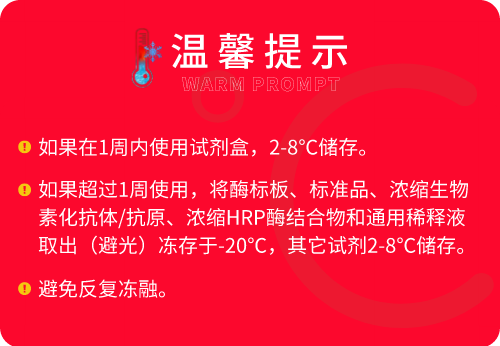
保存温度: 2-8℃
样本类型: 血清、血浆 和 其他生物液体
产品说明书
品牌 货号 纯度/规格 包装 市场价 会员价格 库存 数量 购物车
江莱生物 JL11706-48T 48T 1盒 ¥1400.00
江莱生物 JL11706-96T 96T 1盒 ¥2300.00
江莱生物 JL11706-5×96T 5×96T 1盒 ¥9775.00

|   别称


ICSH; Lutropin; Interstitial Cell Stimulating Hormone


|   LH 简介


促黄体激素(LH)是由垂体前叶的促性腺激素细胞产生的一种激素。LH的急性上升("LH激增")会触发排卵和黄体的发育。它也被称为间质细胞刺激素(ICSH),能刺激Leydig细胞产生睾酮。它有一个120个氨基酸的β亚单位(LHB),赋予其特定的生物作用,并负责与LH受体相互作用的特殊性。这个β亚单位含有一个氨基酸序列,与hCG的β亚单位有很大的同源性,两者都能刺激相同的受体。


|   特异性


可检测样本中大鼠的LH,且与其类似物无明显交叉反应


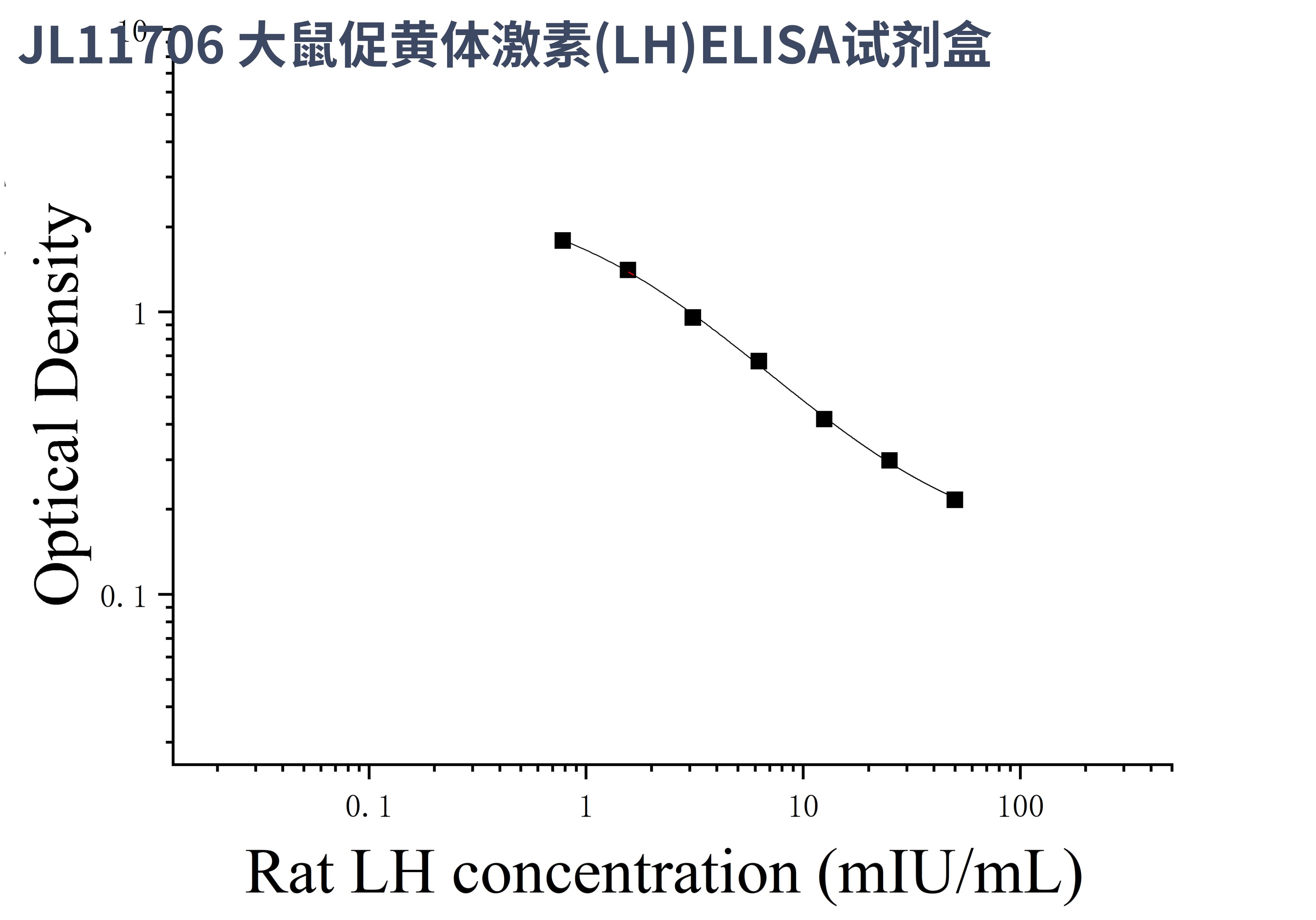
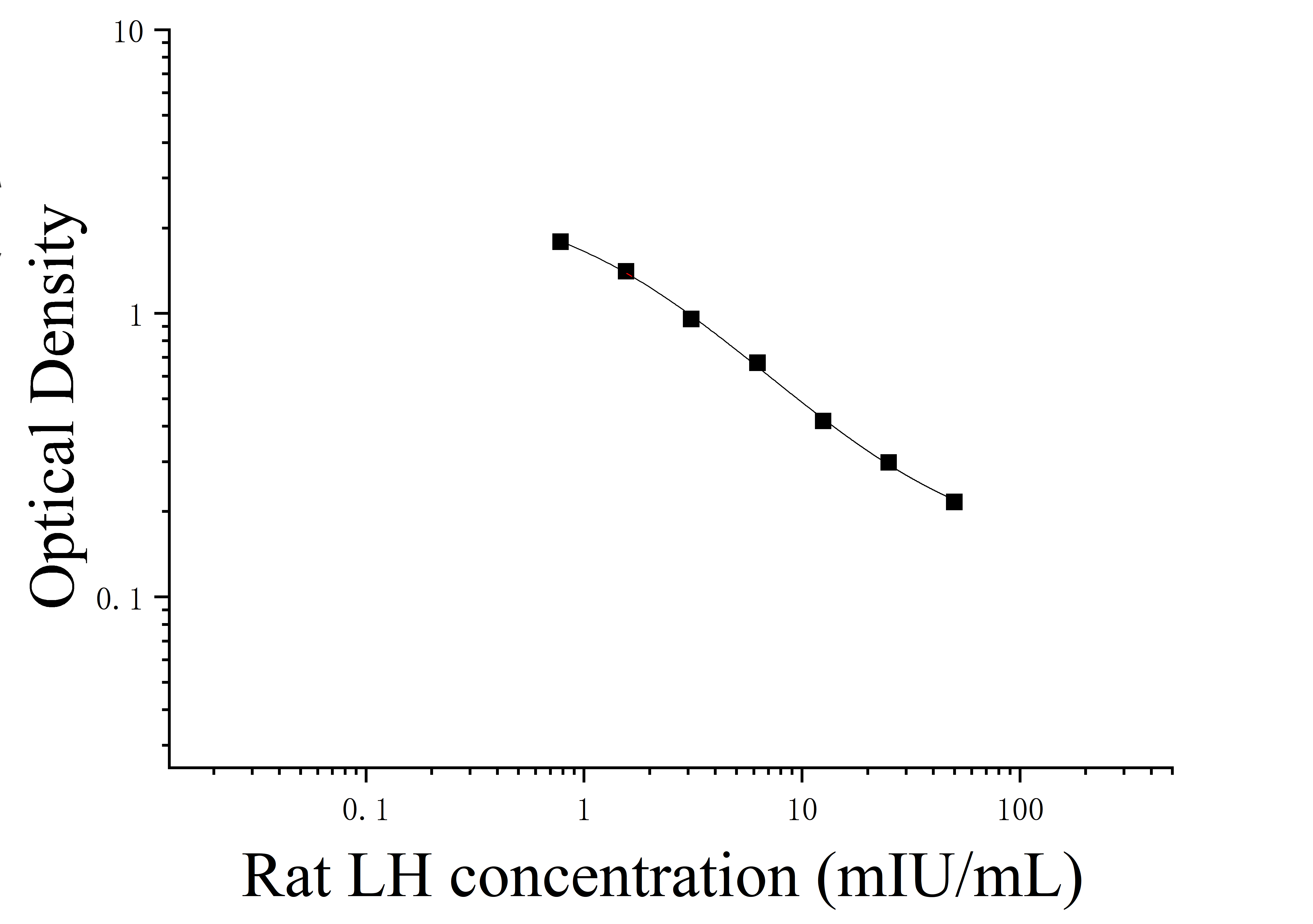
|   典型数据及参考曲线


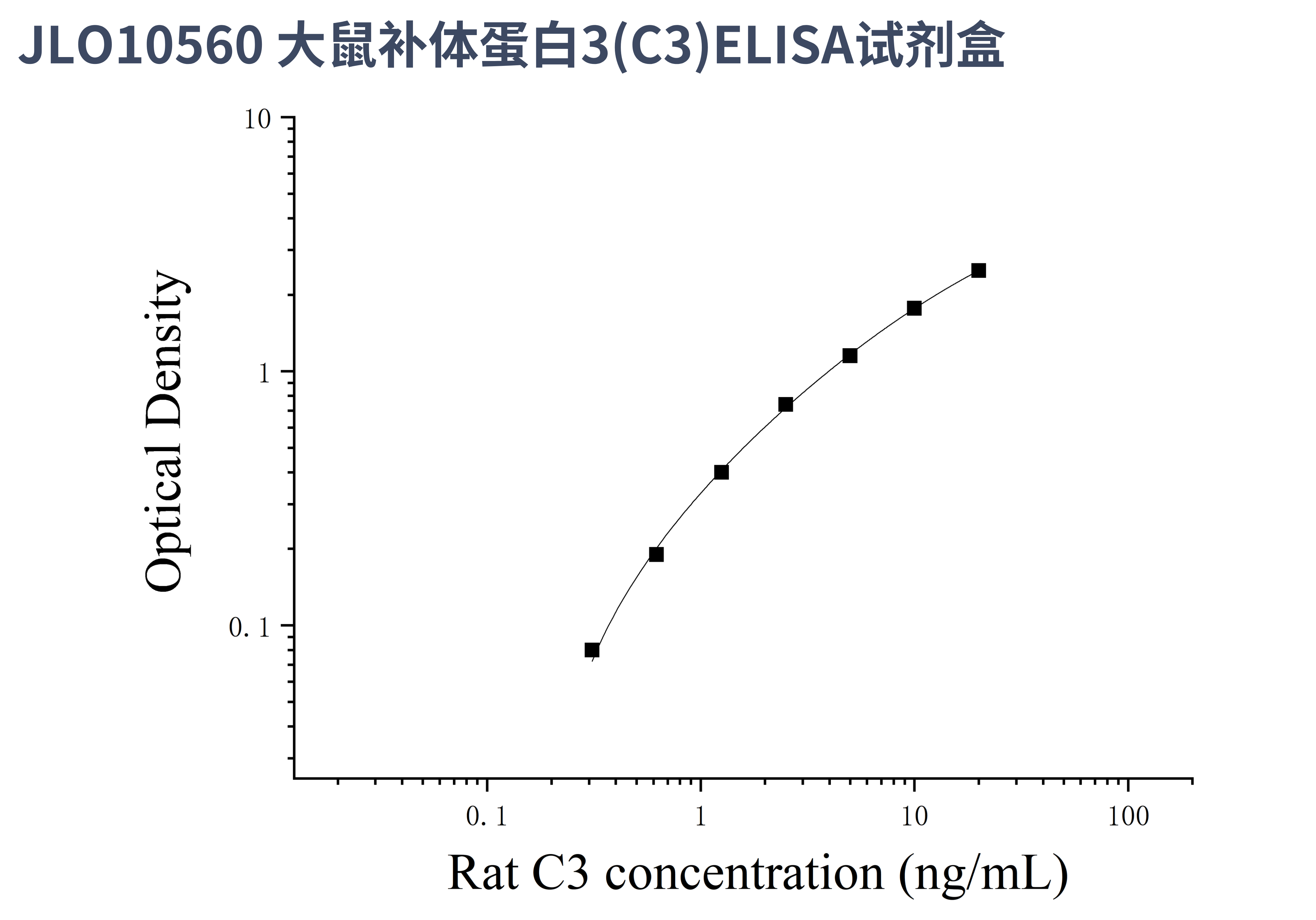
由于实验操作条件的不同( 如操作者、移液技术、洗板技术和稳定条件等),标准曲线的OD值会有所差异。以下数据和曲线仅供参考,实验者需根据自己的实验建立标准曲线。


浓度(mIU/mL) 50 25 12.5 6.25 3.12 1.56 0.78 0
OD值 0.216 0.298 0.417 0.669 0.955 1.405 1.79 1.865


注意:本图仅供参考,应以同次试验标准品所绘标准曲线计算标本含量。


|   重复性


板内变异系数小于10%,板间变异系数小于10%


|   回收率


在选取的健康大鼠血清、血浆中加入3个不同浓度水平的大鼠LH,计算回收率


样本类型 范围 平均回收率
血清(n=8) 84-102 97
血浆(n=8) 92-105 102


|   线性稀释


分别在选取的4份健康大鼠血清、血浆中加入高浓度大鼠LH,在标准曲线动力学范围内进行稀释,评估线性。


稀释比例 回收率(%) 血清 血浆
1:2 范围(%) 84-95 89-96
平均回收率(%) 91 94
1:4 范围(%) 89-103 87-108
平均回收率(%) 94 98


注:ELISA试剂盒检测范围等数据,因检测样本 的不同而调整,实际数据以随货说明书为准。


|   ELISA操作视频


ELISA操作视频        ELISA保存温度


|   ELISA操作前必读 / 下载


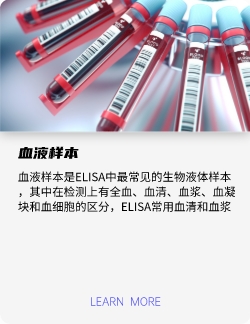
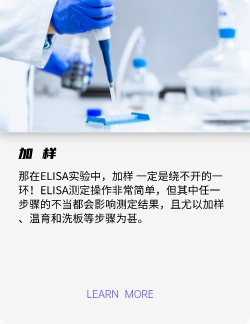
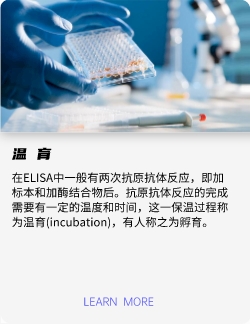
样本处理    血液样本    加样    温育


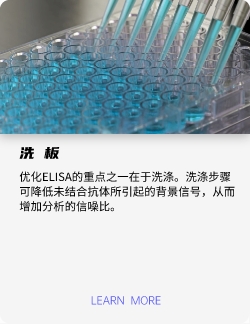
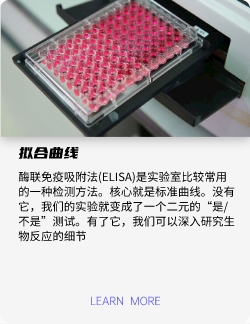
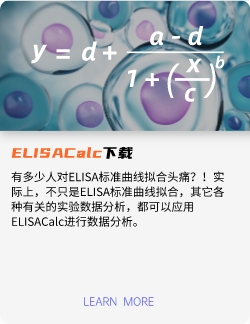
洗板    拟合曲线    常见问题    下载


|   客户发表的文献


Gynura procumbens and selected metabolites: Amelioration of depressive-like behaviors in mice and risperidone-induced hyperprolactinemia in rats

Rank: IF 6.9

Journal: Biomedicine & Pharmacotherapy

Year: 2024

DOI: 10.1016/j.biopha.2024.116361


Tetramethyl bisphenol a inhibits leydig cell function in late puberty by inducing ferroptosis

Rank: IF 6.2

Journal: Ecotoxicology and Environmental Safety

Year: 2022

DOI: 10.1016/j.ecoenv.2022.113515


Citrinin inhibits the function of Leydig cells in male rats in prepuberty

Rank: IF 6.2

Journal: Ecotoxicology and Environmental Safety

Year: 2023

DOI: 10.1016/j.ecoenv.2023.114568


Inhibition of FTO expression by thiodiphenol impairs Leydig cell maturation in pubertal male rats

Rank: IF 6.2

Journal: Ecotoxicology and Environmental Safety

Year: 2025

DOI: 10.1016/j.ecoenv.2025.117815


Bisphenol B restrains rat leydig cell function via H3K27me3/H3K9me3 histone modifications

Rank: IF 6.2

Journal: Ecotoxicology and Environmental Safety

Year: 2025

DOI: 10.1016/j.ecoenv.2025.117847


Deoxynivalenol Inhibits Progenitor Leydig Cell Development by Stimulating Mitochondrial Fission in Rats

Rank: IF 5.7

Journal: Journal of Agricultural and Food Chemistry

Year: 2024

DOI: 10.1021/acs.jafc.4c01151


Bu-shen-zhu-yun decoction inhibits granulosa cell apoptosis in rat polycystic ovary syndrome through estrogen receptor α-mediated PI3K/AKT/mTOR pathway

Rank: IF 4.8

Journal: Journal of Ethnopharmacology

Year: 2021

DOI: 10.1016/j.jep.2021.114862


Fluornen-9-bisphenol increases Leydig cell proliferation but inhibits maturation in pubertal male rats via interacting with androgen receptor as an antagonist and estrogen receptor α as an agonist

Rank: IF 4.7

Journal: Chemico-Biological Interactions

Year: 2022

DOI: 10.1016/j.cbi.2022.110024


Bisphenol S stimulates Leydig cell proliferation but inhibits differentiation in pubertal male rats through multiple mechanisms

Rank: IF 4.4

Journal: Environmental Toxicology

Year: 2023

DOI: 10.1002/tox.23873


A Chinese herbs complex ameliorates gut microbiota dysbiosis induced by intermittent cold exposure in female rats

Rank: IF 4

Journal: Frontiers in Microbiology

Year: 2022

DOI: 10.3389/fmicb.2022.1065780