本公司产品仅供科研使用,不用于人体及临床诊断

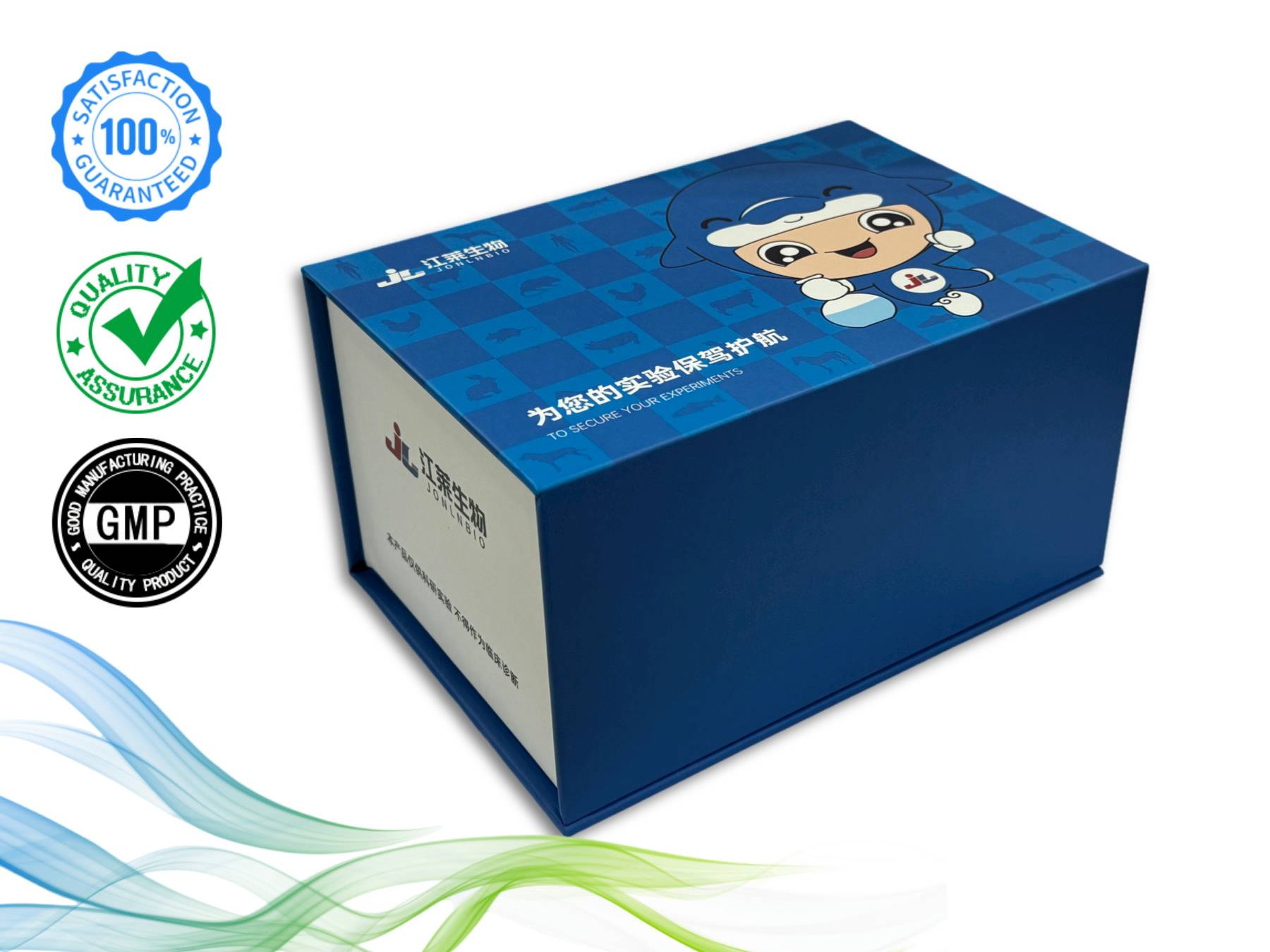
小鼠I型原胶原N端前肽(PINP)ELISA检测试剂盒

 一键复制产品信息
英文名称: Mouse Procollagen I N-Terminal Propeptide (PINP) ELISA Kit
实验类型: 双抗体夹心法
检测范围: 4.68-300ng/mL(特殊要求可定制)
灵敏度: 2.05ng/mL
种属: 小鼠
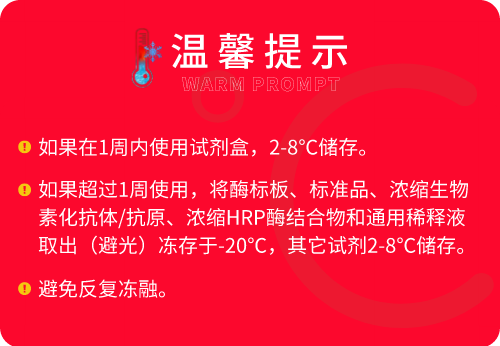
保存温度: 2-8℃
样本类型: 血清、血浆、组织匀浆、细胞裂解液、细胞培养上清 和 其他生物液体
产品说明书
品牌 货号 纯度/规格 包装 市场价 会员价格 库存 数量 购物车
江莱生物 JL20174-48T 48T 1盒 ¥1400.00
江莱生物 JL20174-96T 96T 1盒 ¥2300.00
江莱生物 JL20174-5×96T 5×96T 1盒 ¥9775.00

|   别称


P1NP; N-Propeptide Of Type I Procollagen; Procollagen I Amino Terminal Propeptide


|   PINP 简介


肽被蛋白酶从procollagen裂解出来,形成胶原蛋白,两种肽进入血液循环的浓度反映了I型胶原蛋白的合成率。Procollagen 1型N端肽(PINP)被认为是骨形成最敏感的生物标志物。PINP呈现出昼夜变化的特点,夜间的数值较高,PINP在肝脏中进行代谢。


|   特异性


可检测样本中小鼠的PINP,且与其类似物无明显交叉反应


|   典型数据及参考曲线


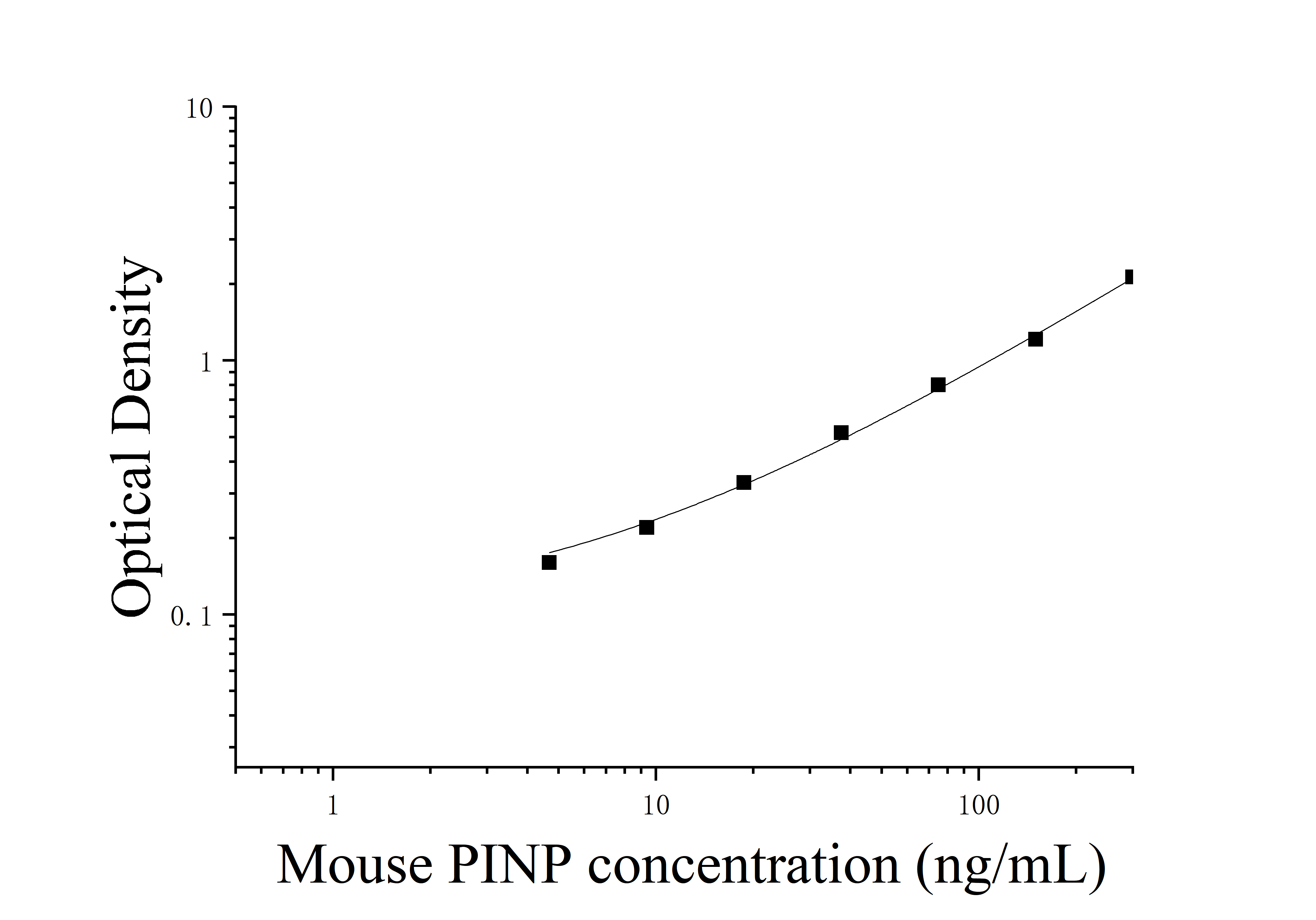
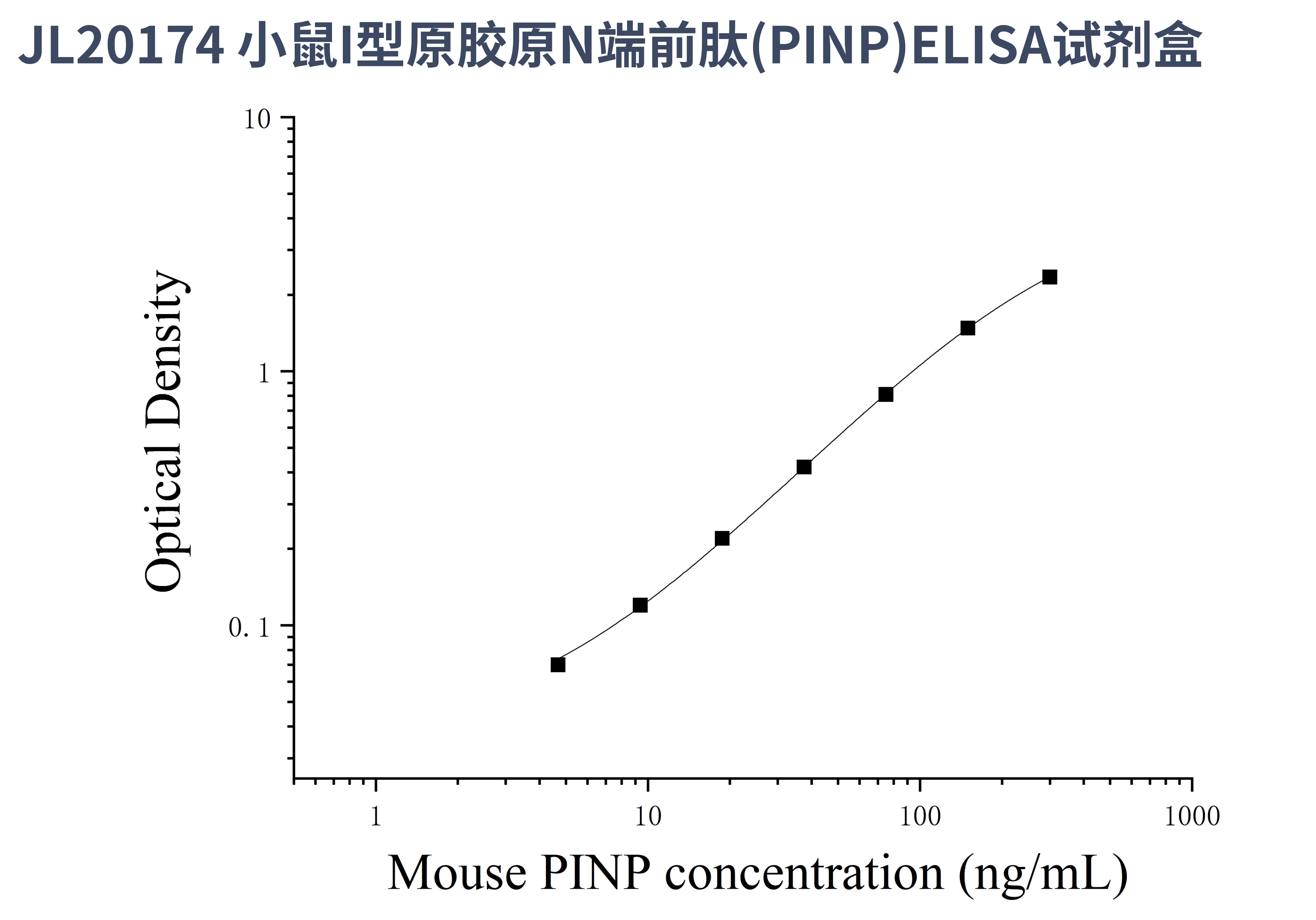
由于实验操作条件的不同( 如操作者、移液技术、洗板技术和稳定条件等),标准曲线的OD值会有所差异。以下数据和曲线仅供参考,实验者需根据自己的实验建立标准曲线。


浓度(ng/mL) 300 150 75 37.5 18.75 9.37 4.68 0
OD值 2.23 1.31 0.9 0.62 0.43 0.32 0.26 0.1
校正OD值 2.13 1.21 0.8 0.52 0.33 0.22 0.16 -


注意:本图仅供参考,应以同次试验标准品所绘标准曲线计算标本含量。


|   重复性


板内变异系数小于10%,板间变异系数小于10%


|   回收率


在选取的健康小鼠血清、血浆、细胞培养上清中加入3个不同浓度水平的小鼠PINP,计算回收率


样本类型 范围 平均回收率
血清(n=8) 84-101 96
血浆(n=8) 92-105 102
细胞培养上清(n=8) 96-108 105


|   线性稀释


分别在选取的4份健康小鼠血清、血浆、细胞培养上清中加入高浓度小鼠PINP,在标准曲线动力学范围内进行稀释,评估线性。


稀释比例 回收率(%) 血清 血浆 细胞培养上清
1:2 范围(%) 84-95 88-96 90-110
平均回收率(%) 91 93 96
1:4 范围(%) 89-103 87-108 105-115
平均回收率(%) 94 98 108


注:ELISA试剂盒检测范围等数据,因检测样本 的不同而调整,实际数据以随货说明书为准。


|   ELISA操作视频

 

ELISA操作视频        ELISA保存温度


|   ELISA操作前必读 / 下载


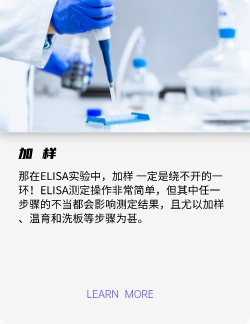
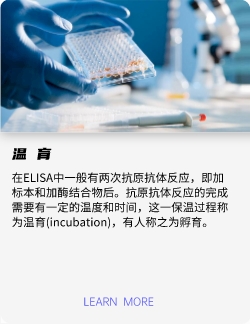
样本处理    血液样本    加样    温育


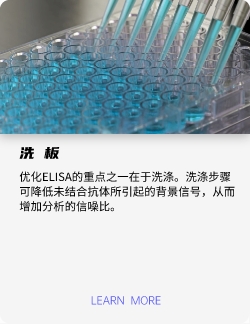
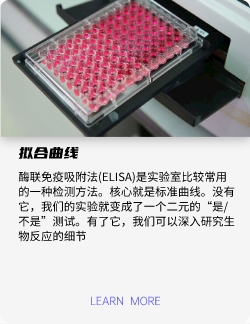
洗板    拟合曲线    常见问题    下载


|   客户发表的文献


Mitochondria from osteolineage cells regulate myeloid cell-mediated bone resorption

Rank: IF 14.7

Journal: Nature Communications

Year: 2024

DOI: 10.1038/s41467-024-49159-3


Toll-like receptor 9 deficiency induces osteoclastic bone loss via gut microbiota-associated systemic chronic inflammation.

Rank: IF 14.3

Journal: Bone Research

Year: 2022

DOI: 10.1038/s41413-022-00210-3


Enhanced SIRT3 expression restores mitochondrial quality control mechanism to reverse osteogenic impairment in type 2 diabetes mellitus

Rank: IF 14.3

Journal: Bone Research

Year: 2025

DOI: 10.1038/s41413-024-00399-5


Osteoinductive activity of bisdemethoxycurcumin and its synergistic protective effect with human amniotic mesenchymal stem cells against ovariectomy-induced osteoporosis mouse model

Rank: IF 6.9

Journal: Biomedicine & Pharmacotherapy

Year: 2022

DOI: 10.1016/j.biopha.2021.112605


Osteocytes regulate senescence of bone and bone marrow

Rank: IF 6.4

Journal: eLife

Year: 2022

DOI: 10.7554/eLife.81480


Moderate static magnetic field regulates iron metabolism and salvage bone loss caused by iron accumulation

Rank: IF 5.9

Journal: Journal of Orthopaedic Translation

Year: 2025

DOI: 10.1016/j.jot.2024.10.012


Lactate Mediates the Bone Anabolic Effect of High-Intensity Interval Training by Inducing Osteoblast Differentiation

Rank: IF 4.4

Journal: Journal of Bone and Joint Surgery-American Volume

Year: 2023

DOI: 10.2106/JBJS.22.01028


Moderate static magnetic field promotes fracture healing and regulates iron metabolism in mice

Rank: IF 2.9

Journal: Biomedical Engineering Online

Year: 2023

DOI: 10.1186/s12938-023-01170-3


Lactobacillus acidophilus supernatant alleviates osteoporosis by upregulating colonic SERT expression

Rank: IF 2.5

Journal: Future Microbiology

Year: 2023

DOI: 10.2217/fmb-2022-0211